
Shukra Pradosh Vrat 30 January 2026
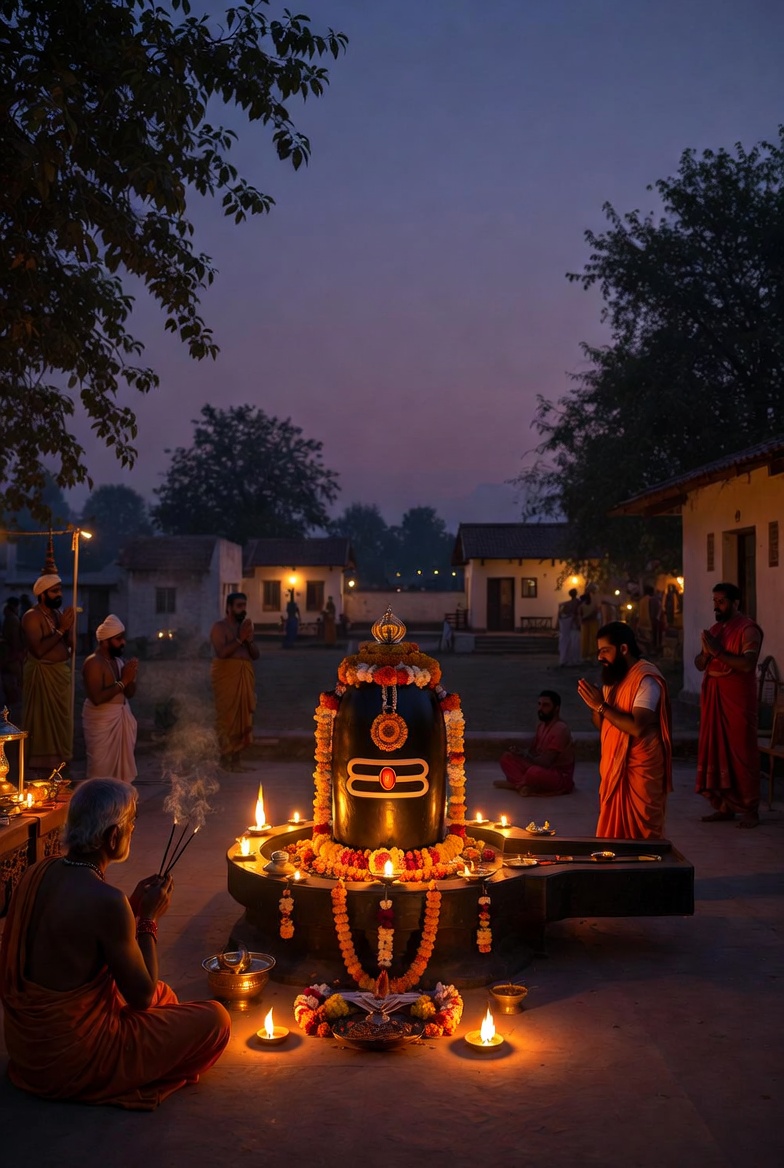
Shukra Pradosh Vrat 2026: 30 or 31 January? Correct Scriptural Calculation of the Date
According to the Hindu Panchang, the Trayodashi Tithi of Shukla Paksha in the month of Magha will begin on 30 January 2026 at 11:09 AM and will end on 31 January 2026 at 08:25 AM. This calculation is based on the lunar movement and not on the Gregorian calendar day.
It is extremely important to understand that the observance of Pradosh Vrat is not decided merely by the Trayodashi Tithi, but by the presence of Trayodashi during Pradosh Kaal. Scriptures dictate that Pradosh Kaal is the sacred transitional time after sunset, during which Lord Shiva performs his divine dance on Mount Kailash, while all the gods praise Him.
Since on the evening of 30 January 2026, Trayodashi Tithi is present during Pradosh Kaal, Shukra Pradosh Vrat will be observed on Friday, 30 January 2026.
Meaning of Pradosh Kaal and Auspicious Time for Worship
Pradosh Kaal begins immediately after sunset and is generally considered to last for two Muhurtas (approximately four Ghatis). This period is not merely astronomical, it is regarded as a highly subtle and spiritually potent junction.
On 30 January 2026, Pradosh Kaal will be approximately from 05:59 PM to 07:26 PM. Since sunset timings vary by location, this duration may differ slightly in cities such as Delhi, Mumbai, Kolkata, or Bengaluru. This is why Panchang calculations should always be consulted according to one’s specific location.
Scriptural Significance of Pradosh Vrat (Shiva Purana and Skanda Purana)
The core importance of Pradosh Vrat is clearly described in the Shiva Purana, which states that worship performed during Pradosh Kaal yields results many times greater than worship done at other times.
Pradosha-kaale Shiva-poojanam vishesh-phala-daayakam
(Shiva Purana)
The essence of this verse is that worship of Lord Shiva during Pradosh Kaal is especially fruitful. It is not limited to external rituals but represents a time of complete surrender to Shiva through mind, speech, and action.
The Skanda Purana elaborates extensively on the Mahatmya(importance) and Pradosh vrat katha. It explains that the evening of Trayodashi is known as Pradosh, and worship of Lord Shiva at this time alone is capable of granting all four Purusharthas - Dharma, Artha, Kama, and Moksha. At this moment, all celestial beings remain in the presence of Lord Girish (Shiva).
Pradosh Vrat Katha (Story)
According to the Skanda Purana, sages once asked Sootji what extraordinary merit is obtained by worshipping Lord Shiva during Pradosh Kaal - one that cannot be compared to any other vow. In response, Sootji narrated an ancient legend.
In the land of Vidarbha ruled a righteous king named Satyarath, who was truthful, brave, and devoted to the scriptures. Unfortunately, enemy kings from the land of Shalva attacked Vidarbha. In a fierce battle, King Satyarath attained martyrdom, and his kingdom was destroyed. His pregnant queen, overwhelmed with fear and grief, fled into the forest at night.
Near a lake in the forest, she gave birth to a son, but tragically, at that very moment, she was attacked and killed by a crocodile. The newborn child was left crying and helpless. Soon, a poor Brahmin widow named Uma arrived there. Seeing the child, she hesitated to pick him up because his lineage and caste were unknown.
At that moment, Lord Shiva Himself appeared in the form of a mendicant and told her that the child was highly fortunate, and that nurturing him would bring welfare to both the woman and the child. Accepting Shiva’s words, she adopted the child and raised him as her own son.
In time, the child became known as Dharmagupta. He would go begging daily with his foster mother, but he unfailingly worshipped Lord Shiva every Trayodashi during Pradosh Kaal. Pleased with his devotion, discipline, and observance of Pradosh Vrat, Lord Shiva bestowed His grace upon him.
Eventually, by the command of Mahadeva conveyed through the king of Gandharvas, Dharmagupta regained his lost kingdom, defeated his enemies, re-established his rule, and finally attained Shivaloka(supreme divine realm of Lord Shiva).
The Skanda Purana clearly declares that worship of Lord Shiva during Pradosh Kaal not only removes worldly suffering but ultimately opens the gateway to liberation (Moksha).
Pradosh Vrat Puja Method (As per Skanda Purana)
The Brahmottara Khanda of the Skanda Purana describes the detailed method of Pradosh Vrat worship. In practical terms, it can be understood as follows:
- Take a bath about three Ghatis[72 minutes] before Pradosh Kaal, wear clean clothes, and calm the mind
- Begin worship after Sandhya Vandana, japa, and mental purification
- First meditate on Lord Shiva, then remember Goddess Parvati
- Perform Abhisheka of the Shiva Linga with water and Panchamrita, chanting Rudra Sukta or Shiva mantras
- Offer Bilva leaves, flowers, incense, and lamps
- Present Naivedya and conclude with Neerajan (Aarti)
The Skanda Purana especially states that if a devotee is poor or incapable, even a single flower offered with true devotion grants complete merit.
Simple Pradosh Vrat in Modern Times
In today’s household life, if the elaborate method is not possible, merely taking a bath, lighting a lamp during Pradosh Kaal, chanting “Om Namah Shivaya”, and offering Shiva stuti is considered sufficient. Scriptures place bhava (devotion) above ritual precision.
Mantras and Stotra
Om Namah Shivaya
Shiv Chalisa
👉 Read Shiv Chalisa
Conclusion
Shukra Pradosh Vrat 2026
will take place on Friday, 30 January 2026, during Pradosh Kaal.
This vrat is mentioned by the Shiva Purana and is described in detail in the Skanda Purana.
The true essence of Pradosh Vrat is not external ritualism, but complete surrender at the feet of Shiva during the serene moments of dusk which is why it is regarded as the most supreme among all Shiva fasts.


